What 40 Tonnes of Construction Waste Taught Us
National Industry Updates Sustainability 7 August 2026
ShareWhen most people think about construction waste, they picture overflowing skip bins and assume the solution is simple: recycle more.
That's what we thought too.
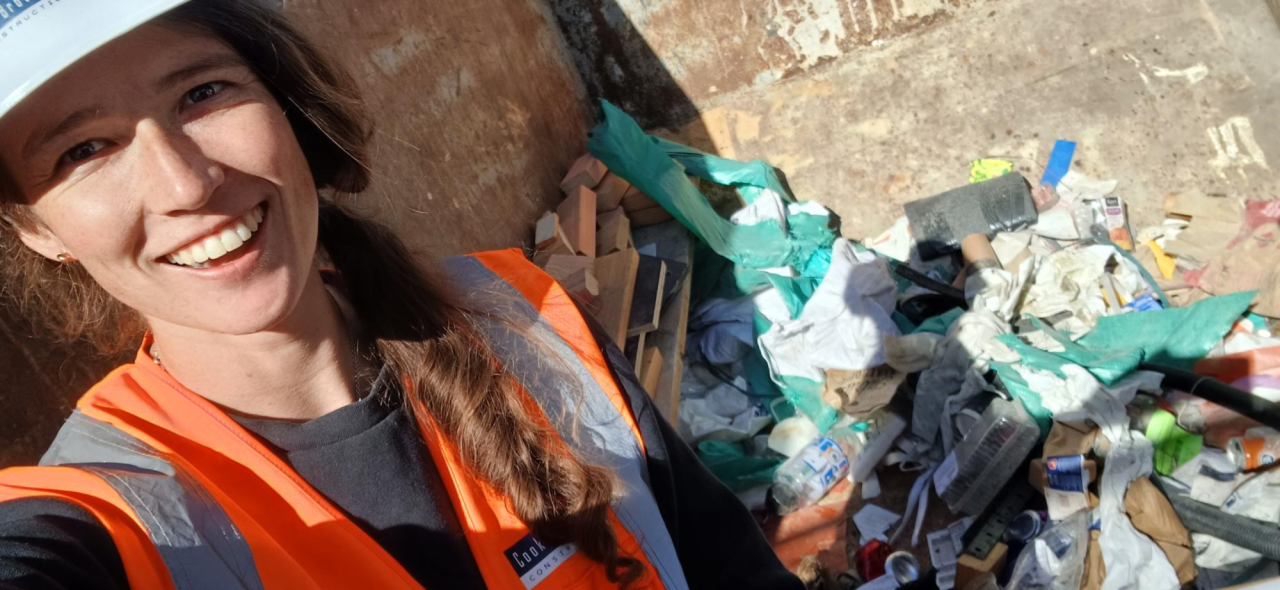
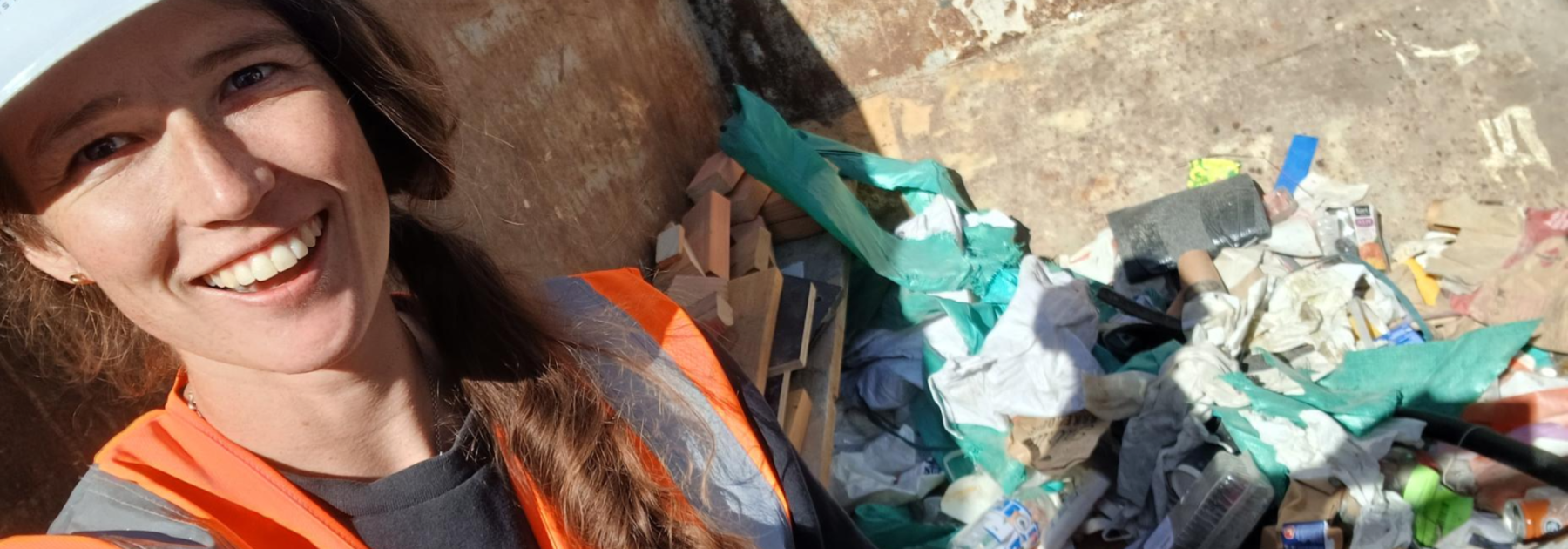
To better understand what was really happening on site, Kristy Jones, our Sustainability Manager, manually sorted through 40 tonnes of waste from The Mill project in Queenstown. Every skip was analysed to identify what materials were being thrown away, where they came from, and most importantly, why they became waste in the first place.
The findings challenged many of our assumptions.
1. Recycling isn't the silver bullet
One of the biggest surprises was that 5.8 tonnes of recyclable material was found in general waste skips, despite having clearly signposted recycling facilities being available on site.
This highlighted that having recycling infrastructure alone isn't enough. Waste reduction also depends on education, accountability, clear systems and consistent behaviours across everyone working on a project.
More recycling is important - but preventing waste in the first place has an even greater impact.
2. Some waste is designed into buildings
One of the report's most significant findings was that many waste streams didn't originate from construction activities at all.
Instead, they could be traced back to design decisions.
When room layouts, façade dimensions or structural grids don't align with standard product sizes, materials must be cut down to fit. Those offcuts often become waste before the building has even taken shape.
It reinforced an important lesson: reducing construction waste starts long before anyone arrives on site.
3. Packaging is a hidden contributor
Packaging often goes unnoticed because it's lightweight, but our findings told a different story.
Around 17.8 tonnes of waste generated during the project came from supplier packaging—including cardboard, soft plastics, pallets, strapping and protective wrapping.
As an industry, we've become very good at protecting materials during transport.
The next challenge is reducing the amount of packaging required in the first place and working with suppliers to create better take-back and reuse systems.
4. Waste can become a valuable resource
Not everything leaving site needs to become landfill.
Throughout the project, approximately eight tonnes of surplus materials were redirected into the community, supporting local schools, clubs, charities and community initiatives instead of being discarded.
Seeing materials given a second life reinforced the value of thinking differently about what we call "waste".
5. The biggest opportunity sits upstream
Perhaps the most important lesson from the study was that the industry's biggest opportunity isn't managing waste better.
It's creating less of it.
The report found that waste is influenced by decisions made during design, procurement, planning, supplier engagement and construction - not just what happens at the skip bin.
If we want to make meaningful progress, we need to move beyond measuring how much we recycle and start asking how much waste we're creating in the first place.
Starting a bigger conversation
This case study was never about pointing fingers.
It was about understanding the problem so we can make better decisions in the future.
By openly sharing what we found, we hope this report contributes to a broader industry conversation about designing smarter, collaborating earlier, and viewing waste not as an unavoidable by-product of construction, but as something that can be prevented.
Because the most sustainable material isn't the one we recycle.
It's the one that never becomes waste.